 Owner-Operator Trucking Insurance
Truck Insurance for Owner-Operators
Tell us what you haul, where you operate and whether you run under your own authority or lease onto a carrier. We'll help identify applicable coverage options.
An owner-operator’s insurance needs depend heavily on whether you operate under your own MC/USDOT authority or lease onto an established motor carrier under a permanent lease agreement.
- State availability: Subject to licensing, underwriting and carrier programs (see disclosures)
- Based in: Atlanta, GA, USA
- No obligation to request a quote
- No SSN or payment required in the initial step
Explore commercial trucking and auto insurance options
Available markets, coverage limits and filings depend on licensing, underwriting and carrier programs.
Multi-Carrier Shop
Compare multiple US insurance carriers from one single online application.

COI & Filing Support
Certificates and required filings are subject to carrier approval and a bound qualifying policy.

New Authorities Welcome
Dedicated programs for new USDOT/MC numbers, box trucks & owner-operators.
Independent Agency Guidance
Transparent coverage comparisons with zero obligation to buy.
Intended Customer Profile
Who Owner-Operator Trucking Insurance Is Built For: Operators, Vehicles & Drivers
InsurixPro is an independent insurance agency structuring owner-operator trucking insurance programs around the specific vehicles, drivers, contracts, and operating profile of your business:
- Independent owner-operators running under their own interstate or intrastate authority
- Owner-operators permanently leased to a motor carrier needing NTL and Physical Damage
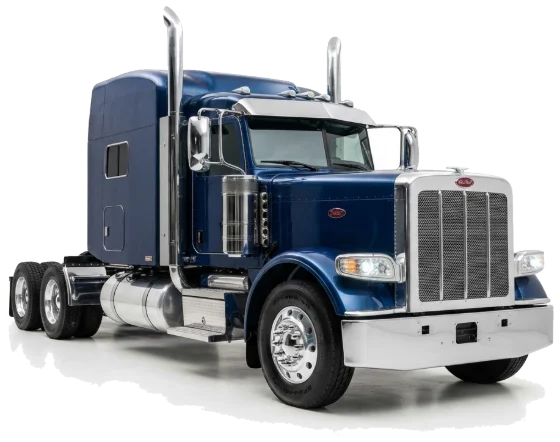
- Single-truck tractor-trailer, flatbed, reefer, dry van, and hotshot owner-operators
- Experienced company CDL drivers transitioning into truck ownership
Key Exposures & Claim Risks Addressed
- • Coverage gaps between a motor carrier’s primary liability policy and off-dispatch personal use
- • Out-of-pocket tractor repair or total loss when physical damage valuation is outdated
- • Uninsured trailer damage when pulling non-owned trailers under interchange agreements
- • Freight claim disputes when cargo exclusions conflict with broker rate confirmations
Core Policy Lines & Endorsements
Owner-Operator Trucking Insurance Policy Limits, Deductibles & Endorsements
Coverage limits, deductibles, and endorsements are structured around your specific vehicles, client or broker contracts, and operating requirements:
- Own Authority Package: Primary Auto Liability, Motor Truck Cargo, Physical Damage & Trailer Interchange
- Leased-On Package: Non-Trucking Liability (NTL), Physical Damage, and Bobtail options per lease contract
- Electronic FMCSA filing coordination (for active authorities) and certificate issuance
- Customized deductibles and stated-value equipment protection
Exclusions & Policy Terms to Verify
- • Non-Trucking Liability (NTL) is strictly limited to non-business, off-dispatch use and is not a substitute for Primary Auto Liability
- • Bobtail and Non-Trucking Liability have distinct policy definitions; leased operators must verify exact wording required by their motor carrier lease
FMCSA & Motor Carrier Filing Rules for Owner-Operator Trucking Insurance
- Interstate For-Hire Motor Carriers (49 CFR Part 387): Minimum public liability limits depend on vehicle GVWR and commodities hauled ($750,000 CSL for general non-hazardous freight in 10,001+ lb vehicles; $300,000 under 10,001 lbs; $1,000,000 to $5,000,000 for hazmat).
- Electronic FMCSA Filings (BMC-91 / BMC-91X): Transmitted electronically to the FMCSA by the underwriting insurance company only after a qualifying policy is bound and active.
- Form MCS-90 Endorsement: Attached to the motor carrier liability policy to certify compliance with federal financial responsibility rules.
- Contractual COI Requirements: Many freight brokers, shippers, and commercial contracts require $1,000,000 in Auto Liability and $100,000+ in Motor Truck Cargo coverage.
What Affects Your Owner-Operator Trucking Insurance Premium
Premiums vary materially by state, authority tenure, driving history, equipment value, cargo profile, radius, limits, and loss history:
- Operating under your own new or established authority versus leasing onto a carrier’s authority
- CDL experience, MVR clean history, and prior insurance continuity
- Tractor model year, stated value, trailer type, and commodities hauled
- Garaging state/ZIP and typical operating lanes or radius
What You Need for a Owner-Operator Trucking Insurance Quote
- USDOT / MC number (if operating under your own authority) or copy of motor carrier lease requirements
- Tractor and trailer VINs, year, make, model, and stated value
- CDL number, state, date of birth, and years of commercial driving experience
- Commodities hauled, operating radius, and loss runs if previously insured
Underwriting & Eligibility Guidelines for Owner-Operator Trucking Insurance
- Exact Legal Name & USDOT Alignment: Ensure your legal entity name, DBA, and physical address match your FMCSA MCS-150 registration exactly before requesting filings.
- Scheduled Vehicle VIN Required: Carriers require a specific 17-digit vehicle VIN and driver qualification details to issue a bindable quote and transmit electronic filings.
- CDL Tenure & Realistic Radius: Underwriters evaluate the primary driver’s CDL history, MVR record, commodities, and realistic operating radius when pricing policies.
- Verification of lease status (own authority vs. leased to a motor carrier with a written lease)
Need help confirming your FMCSA filings, cargo sub-limits, or new authority documents?
Speak directly with a licensed producer or run our free interactive 2027 New Authority & FMCSA Filing Calculator.
Related Coverage & Underwriting Guides
Motor Carrier Authority, Semi-Truck & FMCSA Filings Cluster
View Trucking & Transportation Hub →Helpful answers before you begin
Frequently Asked Questions
What is the difference between operating under your own authority and leasing onto a carrier?
Under your own authority, you are responsible for carrying Primary Auto Liability and Motor Truck Cargo (plus filings). When permanently leased to a carrier, the carrier typically provides primary liability while you are under dispatch, and requires you to carry Non-Trucking Liability and Physical Damage.
Is Non-Trucking Liability the same as Bobtail insurance?
No. Although the terms are sometimes used casually together, Non-Trucking Liability generally applies only when the truck is used for non-business, personal purposes off dispatch, whereas Bobtail coverage addresses operating a tractor without a trailer attached. Policy forms vary by insurer.
No-Obligation Multi-Carrier Review
Request a Owner-Operator Trucking Insurance Quote With Our Independent Agency
Share your vehicles, drivers, operating radius, and filing needs to compare owner-operator trucking insurance options with a licensed InsurixPro producer.
Ready to compare your commercial trucking or auto insurance options?
Start your online quote in under two minutes or speak directly with a licensed InsurixPro specialist for COI and FMCSA filing support.