
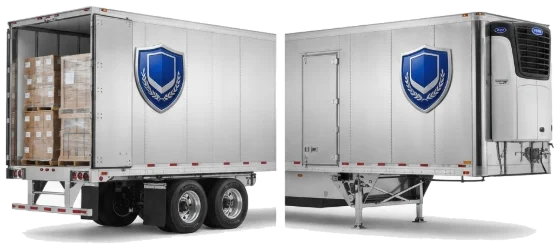
Insurance requests for business vehicles

Commercial Auto Insurance for U.S. Businesses

Tell us what business vehicles you run, where your crew operates, and what coverage limits your contracts require. Compare commercial auto liability, physical damage, and cargo options without personal-auto confusion.

Independent Insurance AgencyState License & NPN Disclosure
  • Licensed in: Georgia (home state). Other states only where licensed (see disclosures)
  • Based in: Atlanta, GA, USA
  • No obligation to request a quote
  • No SSN or payment required in the initial step
  • Built-in FMCSA USDOT lookup & verification
  • Primary liability, cargo & physical damage options
  • Prompt COI & federal/state filings upon binding
Commercial Auto Insurance
Licensed Independent AgencyFree, No-Obligation Quote Review

Commercial request details

Built around business use and operations.

Commercial questions stay in the commercial path and adapt to the vehicles and operating details you provide.

Who it is for

A request shaped for your situation.

  • Businesses using vehicles for day-to-day operations.
  • Fleets with multiple vehicles or commercial drivers.
  • Transportation operations that need to describe specialized equipment.

How to apply

  1. 1Share the business and requested policy-start details.
  2. 2Add operating, vehicle and driver information relevant to the request.
  3. 3Review coverage needs and submit the completed request.
Underwriting & Coverage Guide

Commercial Auto Insurance Quotes for US Businesses

Any vehicle used for work — from a single pickup truck or cargo van to a fleet of box trucks — needs the right commercial auto insurance policy. Personal car insurance typically excludes or limits business use, which can leave your company and your personal assets exposed after an accident.

InsurixPro helps business owners compare commercial auto insurance quotes from multiple carriers, so you can protect your vehicles, your drivers and your business at a price that makes sense.

What Does Commercial Auto Insurance Cover?

A business auto policy is built around the risks your company faces on the road. Common coverages include:

  • Bodily injury and property damage liability — pays for injuries and damage you cause to others
  • Uninsured and underinsured motorist coverage — protects you when the at-fault driver has little or no insurance
  • Medical payments or personal injury protection (PIP) — helps with medical bills for you and your passengers
  • Comprehensive coverage — theft, vandalism, fire, hail, flood and animal collisions
  • Collision coverage — damage to your vehicle after an accident, regardless of fault
  • Hired and non-owned auto (HNOA) — liability when employees use rented or personal vehicles for work
  • Motor truck cargo — protection for goods and materials you transport

Who Needs Commercial Auto Insurance?

If your business owns or leases vehicles, has employees who drive for work, transports tools, equipment or products, or carries passengers for a fee, you likely need commercial auto coverage. Many customers, general contractors and municipalities also require proof of commercial auto insurance before you can start a job.

We quote commercial auto insurance for contractors, landscapers, plumbers, electricians, HVAC companies, cleaning services, couriers, delivery drivers, caterers, mobile mechanics, auto haulers, tow operators and many other industries.

Vehicles We Can Help Insure

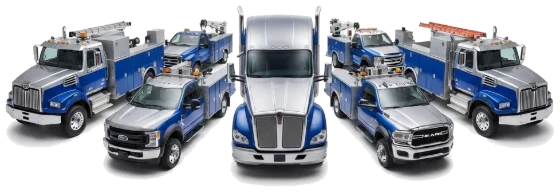
  • Pickup trucks and work trucks
  • Cargo vans and sprinter vans
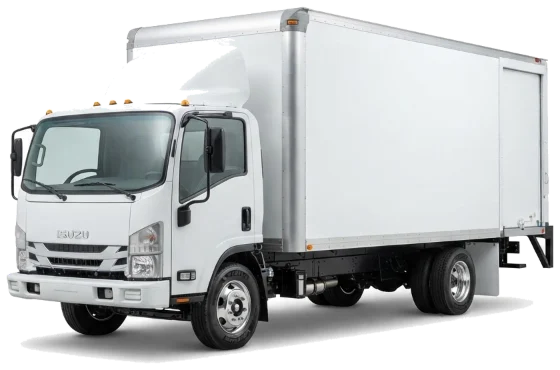
  • Box trucks and straight trucks
  • Dump trucks, flatbeds and stake-bed trucks
  • Service and utility body trucks
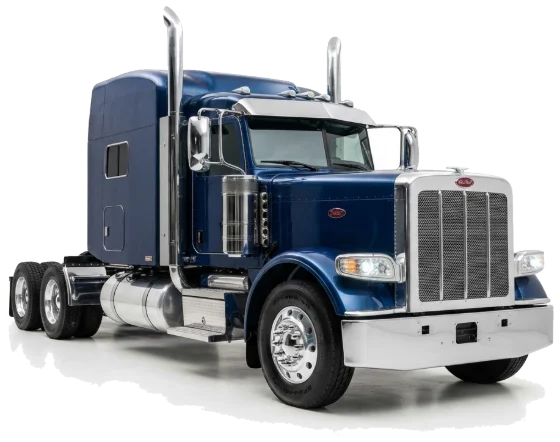
  • Tractor-trailers and semi trucks
  • Utility, enclosed and equipment trailers

How Much Does Commercial Auto Insurance Cost?

There is no single price for commercial auto insurance. Premiums depend on the vehicle type and weight, garaging location, driving radius, the industry you work in, the experience and records of your drivers, your claims history and the limits and deductibles you select.

Because every carrier weighs these factors differently, comparing multiple quotes is the most reliable way to lower your premium without removing coverage you actually need. Choosing appropriate deductibles, keeping clean driving records and maintaining continuous insurance can also help reduce costs over time.

Choosing the Right Liability Limits

State minimum liability limits are often far too low for a business. A single serious accident involving injuries can easily exceed minimum limits, leaving your company responsible for the difference. Many businesses choose $1,000,000 combined single limit (CSL) liability, and contracts frequently require it. We will help you compare pricing at different limits so you can make an informed decision.

Tips to Lower Your Business Auto Insurance Premium

  • Run motor vehicle reports (MVRs) and hire experienced, safe drivers
  • List accurate vehicle use and radius of operation
  • Consider higher physical damage deductibles on older vehicles
  • Install telematics or dash cameras where carriers offer credits
  • Avoid lapses in coverage and keep prior insurance documentation
  • Review your policy every year at renewal and compare quotes

Helpful answers before you begin

Frequently Asked Questions

Is a USDOT number always required?

The commercial request records whether a USDOT number applies to the operation.

Can I add more than one vehicle?

Yes. The commercial request supports multiple vehicles and drivers.

Does submitting approve a quote?

No. Submission records your request for review; it does not approve a quote or activate coverage.

What is the difference between personal and commercial auto insurance?

Personal auto insurance covers vehicles used for personal driving and commuting. Commercial auto insurance covers vehicles used for business purposes, typically with higher liability limits and coverage for employees, equipment and business use.

Can I insure a vehicle titled in my personal name on a commercial policy?

In many cases, yes. Carriers can often write vehicles registered to the business owner on a commercial policy when the vehicle is used for the business. Requirements vary by carrier and state.

Does commercial auto insurance cover my employees?

A commercial auto policy generally covers employees who are listed or permitted to drive covered vehicles. Injuries to employees themselves are usually handled by workers compensation insurance.

Do I need a USDOT number to get commercial auto insurance?

Not always. A USDOT number is typically required for vehicles over certain weights or engaged in interstate commerce. Many local service businesses do not need one. Our application helps identify what applies to you.

What information do I need for a commercial auto quote?

Business name and structure, vehicle VINs, driver names, dates of birth and license numbers, garaging addresses, vehicle use and radius, and prior insurance information.

Related product

Personal Auto

A focused request for personal vehicles and household drivers.

Explore Personal Auto
Fast Multi-Carrier Quote Review

Ready to compare your commercial trucking or auto insurance options?

Start your online quote in under two minutes or speak directly with a licensed InsurixPro specialist for COI and FMCSA filing support.

Free, no-obligation review Prompt COI & BMC-91 filings New authorities & fleets welcome